
Why Adding EMTT to Shockwave Therapy Can Enhance Recovery Outcomes

When an injury has been lingering for weeks, months, or even years, it is rarely because the body has “forgotten” how to heal. More often, the tissue needs the right combination of mechanical stimulus, cellular support, progressive loading, and time.
That is why combining shockwave therapy with EMTT (Extracorporeal Magneto-Transduction Therapy) can be a valuable strategy for certain musculoskeletal injuries. Rather than relying on one treatment approach alone, the combination is designed to address recovery through two different but complementary forms of stimulation.
Shockwave therapy delivers acoustic pressure waves into targeted tissue, while EMTT uses high-energy electromagnetic pulses intended to support biological activity in deeper tissues. Together, they may help create a more favorable environment for reducing pain, restoring function, and progressing back into normal activity.

What Shockwave Therapy Brings to the Table
Shockwave therapy, also called extracorporeal shockwave therapy or ESWT, is commonly used for stubborn tendon problems, chronic soft-tissue injuries, calcifications, and certain bone-related healing challenges. Depending on the condition, shockwave can be delivered in focused or radial forms.
The goal is not simply to “break up” tissue. In many cases, shockwave is used to create a controlled mechanical stimulus that encourages the body to respond. This may include changes in local circulation, cellular signaling, pain processing, and tissue remodeling. Research supports its use for a range of musculoskeletal conditions, although the exact biological mechanisms are still being studied. (PMC)
For patients dealing with issues such as tennis elbow, plantar fasciitis, Achilles tendinopathy, rotator cuff pain, chronic hip pain, or certain overuse injuries, shockwave can be an important tool for helping the body move out of a stalled healing pattern.
What EMTT Adds
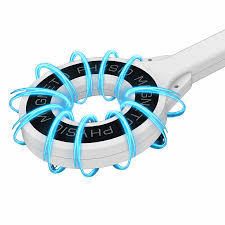
EMTT stands for Extracorporeal Magnetotransduction Therapy. It uses high-energy magnetic pulses that pass through tissue without requiring direct pressure or invasive treatment. The purpose is to stimulate biological processes that may support tissue recovery, pain reduction, and improved function.
Unlike shockwave, EMTT does not rely on mechanical pressure waves. It uses electromagnetic stimulation, making it a useful complement when the goal is to support deeper structures such as tendons, joints, bone, and surrounding soft tissue.
EMTT has been studied in musculoskeletal conditions including chronic tendon problems, back pain, degenerative joint conditions, and sports-related overuse injuries. Current research suggests it may help improve pain and physical function, though the evidence base is still developing and outcomes depend on the diagnosis, severity, activity level, and overall treatment plan. (PMC)
Why the Combination Works Better Than Either Therapy Alone
The reason to combine EMTT and shockwave is simple: they do not do the exact same thing.
Shockwave provides a strong mechanical stimulus to the injured area. EMTT provides electromagnetic stimulation that may support tissue metabolism, cellular activity, and recovery processes in a different way. Instead of competing with each other, the therapies may work together.
A prospective randomized controlled trial involving 86 patients with rotator cuff tendinopathy compared shockwave therapy plus active EMTT against shockwave therapy plus sham EMTT. Both groups improved, but the group receiving active EMTT in addition to shockwave had significantly better pain and shoulder-function outcomes during follow-up. (PubMed)
More recent research in postoperative foot and ankle patients has also suggested that combining focused shockwave therapy with EMTT may be associated with less pain, an earlier return to activity, and signs of improved early bone healing. That study was a pilot comparison rather than a large placebo-controlled trial, so it should be viewed as promising but preliminary evidence—not a guarantee of faster healing for every patient. (PubMed)
Conditions That Are Good Candidates for Combination Care
Not every injury needs the same approach, but EMTT and shockwave may be considered together for people dealing with:
Chronic tendon pain, including shoulder, elbow, Achilles, patellar, or plantar fascia issues
Stubborn overuse injuries that have not responded well to rest alone
Degenerative joint pain and tendon-related arthritis symptoms
Certain bone stress or healing concerns, when clinically appropriate
Sports injuries where restoring function and returning to activity are key goals
Persistent pain that has limited exercise, training, work, or daily movement
The best results typically come when these therapies are part of a larger plan.
The Added Advantage at PEAK Recovery: EMTT + Shockwave + Cold Laser

At PEAK Recovery in San Clemente, patients have access to both shockwave therapy and EMTT, allowing treatment plans to be built around the actual tissue involved rather than using a one-size-fits-all approach.
PEAK’s EMTT system also incorporates cold laser technology, sometimes called photobiomodulation therapy. This adds another layer of support by using therapeutic light to influence cellular activity in the treated area.
While EMTT is designed to support deeper tissue through electromagnetic stimulation, cold laser therapy can add a more localized photobiomodulation effect at the surface and in nearby soft tissues. Research on low-level laser therapy has found potential benefits for pain and function in conditions such as lower-extremity tendinopathy and plantar fasciitis, particularly when appropriate treatment parameters are used. (PubMed)
In practical terms, this means a PEAK treatment plan may combine:
Shockwave to provide focused mechanical stimulation,EMTT to support deeper biological recovery processes, and Cold laser therapy to add targeted photobiomodulation support for pain, inflammation, and soft-tissue healing.
For someone with a stubborn tendon injury, chronic joint pain, or a recovery issue that has not improved with basic care alone, that layered approach may offer more opportunity to make meaningful progress.

No therapy is a magic fix, and not every person is a candidate for every modality. But when the right therapies are matched to the right condition—and paired with an individualized plan—EMTT and shockwave can be a powerful combination for helping patients heal better, move better, and get back to doing what they love.



Comments