
the PEAK Recovery approach to: Plantar Fasciitis


6 Therapies That To Help Stubborn Heel Pain aka Plantar Fasciitis
If you've ever stepped out of bed in the morning and felt a sharp, stabbing pain in your heel, you may be dealing with plantar fasciitis.
Plantar fasciitis happens when the thick band of tissue supporting the arch of your foot becomes irritated or damaged. It's especially common among runners, walkers, pickleball players, and people who spend long hours on their feet.
The frustrating part? It can linger for months, even with rest, stretching, and supportive shoes.
Fortunately, there are ways to help manage the pain and support recovery.
At PEAK Recovery, we offer several therapies that address different aspects of plantar fasciitis. Here's our ranking of nine options, starting with our favorite.
#1. Focused Shockwave Therapy
Best for: Targeting stubborn heel pain and stimulating tissue repair
Focused Shockwave uses powerful sound waves to stimulate the body's natural healing response in damaged tissue. It may improve circulation, encourage tissue repair, and help reduce pain.
Research supports shockwave therapy as an effective option for persistent plantar fasciitis. At PEAK, we use both focused and radial shockwave technologies.

Minimum: 3 treatments
Recommended: 6-10 treatments
Frequency: Once every 1–2 weeks
#2. Hyperbaric Oxygen Therapy (HBOT)
Best for: Potentially tissue recovery
The plantar fascia has a relatively limited blood supply, which can make healing slow.
HBOT increases the amount of oxygen available in the body under pressure. Oxygen is essential for repairing damaged tissue and producing new collagen, the protein that gives tendons and ligaments their strength.
We especially like the idea of pairing HBOT with shockwave therapy: shockwave stimulates the repair process, while HBOT may provide additional oxygen to support it.

Minimum trial: 5 treatments
Suggested course: 10–15 treatments
Frequency: 2–3 times per week
#3. Whole Body Red Light Therapy
Best for: Reducing pain and supporting cellular recovery
Red and near-infrared light help influence the way cells produce energy and respond to inflammation.
Studies of targeted red light and laser therapy have shown encouraging results for plantar fasciitis, including reduced heel pain.
PEAK's whole-body red light bed delivers five different wavelengths in a comfortable 15-minute session.
Minimum trial: 6 treatments
Suggested course: 12–15 treatments
Frequency: 3 times per week
#4. High Power PEMF / EMTT
Best for: Noninvasive pain relief and recovery support
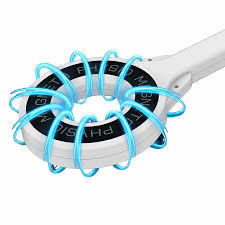
High Power PEMF uses magnetic pulses to stimulate tissues without applying pressure to a painful heel.
These pulses help regulate inflammation, reduce discomfort, and encourage the body's natural repair processes. Most notably PEMF/EMTT increases micro-circulation, or the circulation in the smallest blood vessels. This increase, especially when it follows shockwave and HBOT ensures oxygenated blood reaches the desired site.
Minimum trial: 4–6 treatments
Suggested course: 8–12 treatments
Frequency: 2–3 times per week
#5. Sports Chiropractic Care
Best for: Addressing the underlying cause
Sometimes heel pain isn't just about the heel.
Tight calves, stiff ankles, and poor foot mechanics can place extra stress on the plantar fascia.
Sports chiropractic care can help improve ankle mobility, address tight muscles, and identify movement problems that may be contributing to your pain.
Combined with stretching and strengthening exercises, this is one of the most important parts of long-term recovery.
Minimum: 2–3 visits
Recommended: 4–6 visits with home exercises
Frequency: 1–2 times per week initially
#6. Lymphatic Compression Therapy
Best for: Tired, achy legs and swelling
Our compression system gently squeezes and releases the legs to encourage fluid movement and improve circulation back toward the heart.
This can be especially relaxing for people who spend long hours standing or walking.
Helps with general leg fatigue and recovery.
Minimum trial: 2–3 sessions
Suggested course: 6–10 sessions
Frequency: 2–3 times per week as needed
What's the Best Combination?
For someone struggling with chronic plantar fasciitis, our favorite starting point is Focused Shockwave Therapy combined with a good daily routine.
For those who want to speed up their recovery we suggest adding HBOT, Red Light Therapy and High Power PEMF.
The good news? You don't have to do everything on this list.
The goal is to choose the therapies that make the most sense for your particular injury and get you comfortably back to the activities you love.
Ready to Put Heel Pain Behind You?
Whether you're a runner, pickleball player, surfer, or simply tired of that painful first step in the morning, PEAK Recovery can help you explore your treatment options.
PEAK Recovery | San Clemente
Healing • Performance • Longevity
Instagram: @PeakRecoverySC
Treatment counts are general starting points, not guarantees of results. Some therapies have stronger research support than others, and several suggested schedules are exploratory rather than scientifically established for plantar fasciitis. Individual recommendations depend on your condition and response to care.


Comments